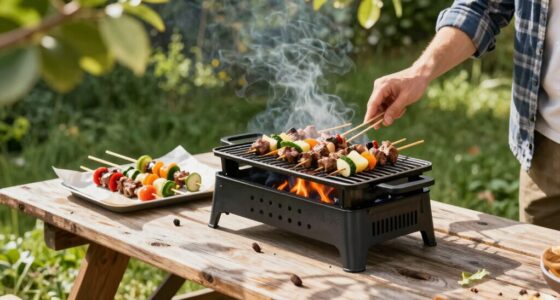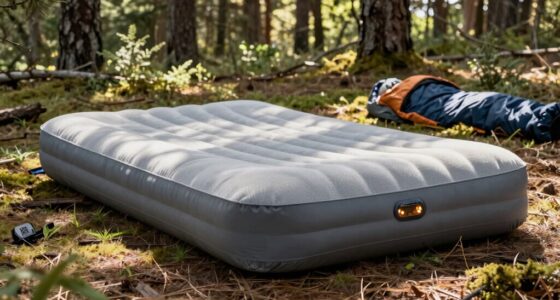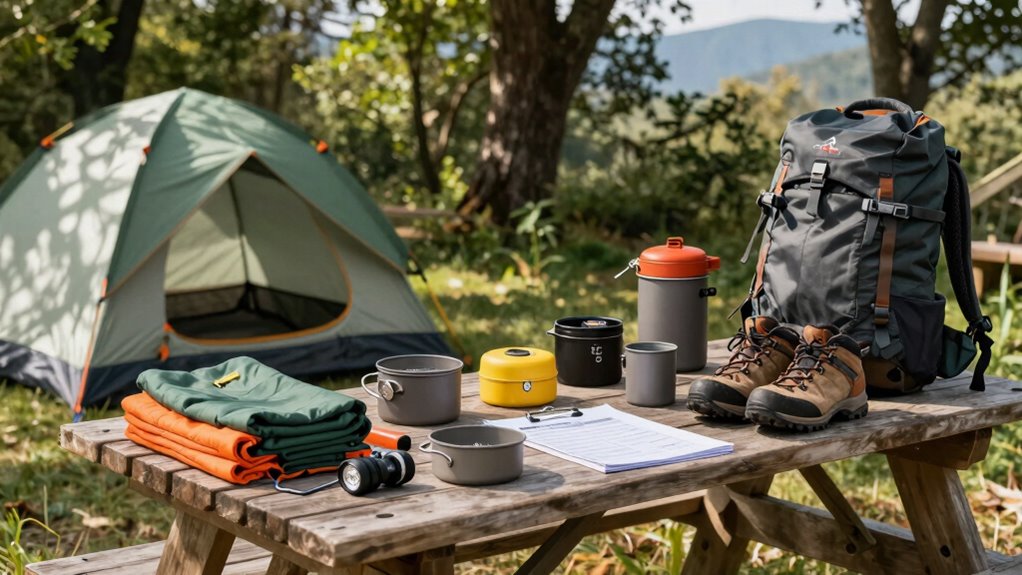

Start by making a checklist of essential gear like your tent, sleeping bag, and cooking supplies. Pack items in designated containers for easy access and double-check that everything works properly. Keep important things like a first aid kit and flashlight in an accessible spot. Don’t forget safety gear for fire and wildlife precautions, and pack weather-appropriate clothing. If you want to guarantee nothing gets left behind, there are more tips to help you stay organized and prepared.
Open a free Amazon Business account
Business pricing, bulk buying and tax-exempt orders.
As an affiliate, we earn on qualifying purchases.
Key Takeaways
- Create a detailed checklist of essential gear, including camping, safety, and personal items, and review it before packing.
- Organize items in designated bags or containers for easy access and to prevent forgetting important gear.
- Test all equipment functionality (flashlights, stove, tent) prior to departure to ensure everything works properly.
- Pack safety essentials like first aid kits, fire-starting materials, and wildlife deterrents in accessible locations.
- Conduct a final thorough review to confirm all items are packed, organized, and ready for the trip.
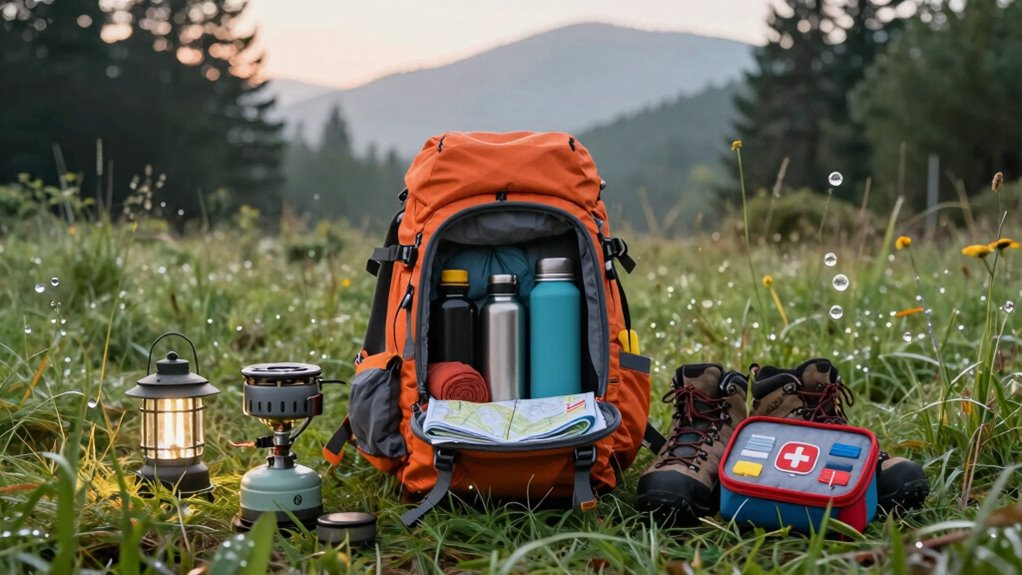
Planning a camping trip can be exciting, but it’s easy to overlook essential gear in the rush to pack. To guarantee you’re fully prepared, start by making a checklist of must-have items. This helps you avoid forgetting essentials like your tent, sleeping bag, or cooking supplies. As you pack, keep safety at the forefront. Proper campfire safety is critical—bring matches or a lighter, plus fire-starting materials like dry tinder. Remember to pack a fire extinguisher or a bucket of water nearby, and never leave your campfire unattended. Following these precautions helps prevent wildfires and keeps everyone safe.
Wildlife precautions are equally important. Pack food in airtight containers or bear-proof canisters, and store it well away from your sleeping area. Never leave food scraps or trash lying around, as these attract animals. Carrying a whistle or noise-making device can also help deter curious wildlife. It’s wise to research the local animals before heading out, so you understand their behaviors and how to avoid conflicts. Knowing how to manage wildlife encounters can be crucial for your safety. Always keep your campsite clean and practice Leave No Trace principles, which protect the environment and wildlife.
When packing, don’t forget the basics like water, a first aid kit, and appropriate clothing for the weather. Layered clothing keeps you comfortable during temperature changes, and rain gear is essential if weather forecast predicts rain. Bringing a map, compass, or GPS device ensures you won’t get lost, especially in unfamiliar terrain. Don’t overlook personal items such as sunscreen, insect repellent, and toiletries. These small details can make a big difference in your comfort and safety.
It’s also smart to double-check your gear before leaving home, making sure everything is in working order. Test your flashlight batteries, check your stove, and ensure your tent is free of tears. Packing smart means organizing your gear in a way that’s easy to access, especially items you’ll need quickly, like your first aid kit or flashlights. Keep your essentials in a designated bag or container to streamline your packing process. Being aware of wildlife behaviors and how to respond appropriately can further enhance your safety during your trip. By being thorough and organized, you minimize the chance of forgetting something important and maximize your enjoyment out in nature.
In the end, careful planning and attention to safety details like campfire safety and wildlife precautions help guarantee your trip is memorable for all the right reasons. With a well-packed bag and a clear plan, you’ll be ready to face any adventure that comes your way.
best camping tent for outdoor trips
As an affiliate, we earn on qualifying purchases.
As an affiliate, we earn on qualifying purchases.
Frequently Asked Questions
How Do I Choose the Right Camping Gear for Different Weather Conditions?
You choose the right camping gear by considering gear durability and weather adaptability. Opt for sturdy, high-quality gear designed for various conditions, like waterproof tents or insulated sleeping bags. Check the weather forecast and pack versatile items that can handle sudden changes. Prioritize gear that withstands different environments, ensuring your comfort and safety. This way, you’ll be prepared for any weather, making your trip enjoyable and stress-free.
What Are Tips for Organizing Small Items in My Backpack?
When it comes to organizing small items in your backpack, you want to keep things tidy so nothing gets lost. Think of your backpack compartments as your best friends—use smaller sections for packing essentials like first aid, snacks, and maps. Roll clothes and group similar items together to save space. Label or color-code compartments if possible. This way, you can find what you need in a flash and stay one step ahead.
How Can I Pack Efficiently to Save Space?
To pack efficiently and save space, start with a thorough packing checklist to guarantee you include essentials without overloading. Use space-saving techniques like rolling clothes instead of folding, stuffing smaller items into shoes or corners, and choosing multi-purpose gear. Prioritize lightweight, compact items, and pack heavier items at the bottom. This approach helps maximize your backpack’s capacity, keeping everything organized and accessible for an enjoyable camping trip.
What Safety Items Should I Include in My Packing List?
You should include safety items like a first aid kit, flashlight, and extra batteries. Don’t forget essentials for campfire safety, such as matches or a lighter, and a fire extinguisher if possible. Add wildlife awareness gear like bear spray or noise makers, especially if you’re in bear country. Also, carry a map, compass, and whistle. These items help guarantee your safety and help you respond effectively to emergencies or wildlife encounters.
How Do I Prepare for Unexpected Emergencies While Camping?
To prepare for unexpected emergencies while camping, you should carry a whistle and a flashlight for wildlife encounters and signaling. Keep a fully charged cell phone and a portable charger for emergency communication. Familiarize yourself with local wildlife and safety protocols, and pack a basic first aid kit. Share your itinerary with someone outside the campsite and establish check-in times to guarantee help is accessible if needed.
compact sleeping bag for camping
As an affiliate, we earn on qualifying purchases.
As an affiliate, we earn on qualifying purchases.
Conclusion
Packing for a camping trip is like planting a well-organized garden—you want everything in its right place to flourish. By making a checklist, packing smart, and double-checking essentials, you guarantee your adventure flows smoothly. When you’re prepared, the only thing left to do is enjoy the great outdoors. So, take your time, stay organized, and watch your trip bloom into a memorable experience, free of forgotten gear and full of unforgettable moments.
As an affiliate, we earn on qualifying purchases.
As an affiliate, we earn on qualifying purchases.
College move-in / dorm season Picks
dorm essentials
As an affiliate, we earn on qualifying purchases.