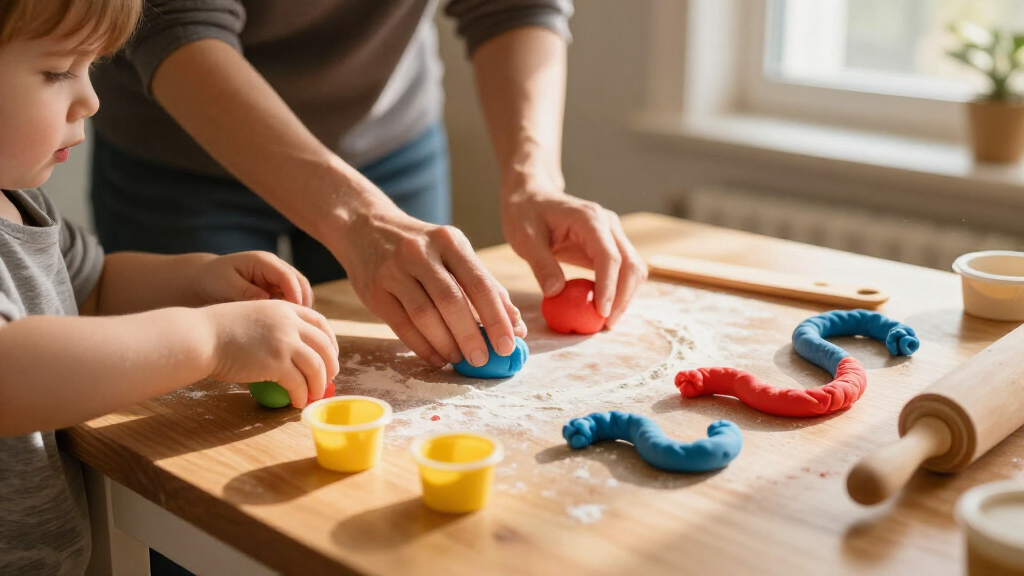

The Play-Doh Ultimate Color Collection, 65-Pack is the best overall Play-Doh modeling compound for most buyers, thanks to its unmatched color variety in portioned 1-ounce cans that stay fresh until opened. For classrooms and group play, the Play-Doh Bulk Pack of 48 Cans delivers better value per ounce, while the Mega Pack of 36 colors balances variety and usable 3-ounce portions for families. The main tradeoff in this category is between variety and freshness: dozens of tiny cans give you every color but dry out faster once opened, while larger cans last longer but limit your palette. Small 4-packs make sense only as refills or starter sets for one child. Keep reading for the full breakdown of all 15 packs and which one fits your situation.

Turn the school run and nap time into listening time
- Thousands of audiobooks, podcasts and originals
- Listen on your phone, tablet or Echo — also offline
- Cancel anytime
Complete the kit


Key Takeaways
- Big color-count packs (the 65-pack and 36-pack Mega Pack) separated themselves because variety drives creative play, but their advantage shrinks if only one child will use them.
- 1-ounce cans are the hidden weakness of the highest-count packs — once opened, they dry out within days, so they suit classrooms and parties more than slow household use.
- 3-ounce cans proved the sweet spot for families: the 24-pack and 48-can bulk pack offer enough compound per color for real sculpting, not just flat shapes.
- The 16-ounce 4-packs are refill workhorses, not starter sets — buyers wanting a full palette on a budget get more mileage from the 22-can Variety Pack.
- Duplicate-heavy packs like the 6-sets-of-8 bulk format only earn their spot when buying for multiple kids or groups; solo households overpay for repeated colors.


| Play-Doh modeling compound | Colors |
|---|---|
| Play-Doh Modeling Compound | Assorted |
| Play-Doh Ultimate Color Collec | 60 (32 classic, 18 Sparkle, 7 Confetti, 8 Color Burst) |
| Play-Doh Ultimate Color Variet | — |
| Play-Doh Jewel Colors Modeling | Nine: orange, purple, light green, blue, black, light blue, white, forest green, red |
| Play-Doh Bulk Pack of 48 Cans | — |
| Play-Doh Modeling Compound 24- | — |
| Play-Doh Favorite Colors Model | — |
| Play-Doh Pink Modeling Compoun | — |
| Play-Doh Modeling Compound Meg | — |
| Play-Doh Modeling Compound | — |
| Play-Doh 4-Pack of Colors | Purple, fuchsia, bright blue, green |
| Play-Doh Celebration Compound | 4 metallic shine, 2 confetti, 6 solid |
| Play-Doh Modeling Compound | Red, yellow, green, blue |
| Hasbro Play-Doh 4-Pack | Blue, orange, teal, neon yellow |
| Play-Doh Classic Colours | Red, yellow, blue, white |
More Details on Our Top Picks
Play-Doh Modeling Compound, 42-Pack of 1-Ounce Cans
Mini cans are the whole point here, and this 42-pack delivers them in a format built for party favors, classroom prizes, and loot bags. Unlike the Play-Doh Bulk Pack of 48 Cans, which concentrates 9 pounds of compound into eight duplicate colors, this set spreads small portions across assorted colors so every kid gets their own can — no sharing disputes, no communal germs. The 1-ounce size is genuinely a feature in that context, even though it would feel stingy at a craft table. It’s also non-toxic and wheat-free, a rarity in this lineup and a real advantage for toddlers or gluten-sensitive households. The flip-top box makes distribution painless. The tradeoff: each can holds a single small project’s worth of dough, so serious sculptors will burn through them fast.
Pros:- 42 individual cans make sharing and gifting effortless
- Wheat-free and non-toxic, rare among Play-Doh products
- Flip-top box simplifies storage and distribution
- Safe for children as young as 2
Cons:- Tiny 1-ounce cans limit project size
- Color assortment cannot be chosen in advance
Best for: Parents and teachers buying party favors, Halloween handouts, or classroom rewards in bulk
Not ideal for: Families doing extended sculpting sessions at home — 1-ounce cans run out mid-project
- Quantity:42 cans
- Size per can:1 ounce
- Colors:Assorted
- Material:Non-toxic, wheat-free modeling compound
- Recommended age:2 years and up
- Packaging:Flip-top box
Our verdict“Buy this if you need many small, giftable portions of dough rather than a working supply for one child.”
Play-Doh Ultimate Color Collection, 65-Pack of 1-Ounce Cans
This is the set for kids who care about color above all else. With 60 distinct colors spanning classic, Sparkle, Confetti, and Color Burst varieties, it offers a palette no other pack here matches — the Play-Doh Ultimate Color Variety Pack, 22 Cans covers 30 colors, and that’s the next closest. The special-effect compounds genuinely change play: Color Burst cans shift hues as kids knead them, and Confetti adds texture. Compared with the 42-Pack of 1-Ounce Cans, you give up the wheat-free formula (this compound contains wheat) but gain far more creative range plus a small knife and roller. The catches are real: every can is just 1 ounce, so a single ambitious sculpture can empty multiple containers, and the 3+ age rating is stricter than the 2+ rating on sibling sets.
Pros:- 60 colors including Sparkle, Confetti, and Color Burst varieties
- Resealable cans keep unused portions fresh
- Includes a knife and roller for immediate play
- Great for group craft sessions with color assignments
Cons:- 1-ounce cans are limiting for larger sculptures
- Contains wheat, unlike some smaller sets
- Age rating of 3+ excludes the youngest users
Best for: Kids ages 3 and up who love experimenting with unusual colors and textures
Not ideal for: Toddlers under 3, or anyone who needs large quantities of a single color
- Cans:65 resealable cans
- Can size:1 oz each
- Total net weight:65 oz (1.84 kg)
- Colors:60 (32 classic, 18 Sparkle, 7 Confetti, 8 Color Burst)
- Included tools:Knife and roller
- Recommended age:3+ years
- Model:F1528
Our verdict“The clear choice when a broad, playful palette matters more than raw quantity per color.”
Play-Doh Ultimate Color Variety Pack, 22 Cans
This pack hits the sweet spot between variety and usable quantity that most Play-Doh buyers actually need. You get 30 colors across 22 cans — 18 full 4-ounce cans plus four 2-ounce dual-color cans that create fun gradient effects when kneaded. That’s 5 pounds of compound, enough for real projects, unlike the 65-Pack where each color comes in a frustratingly small portion. Compared with the Jewel Colors 12-Pack, you trade some per-can simplicity for a much wider palette. The 2+ age rating makes it accessible to toddlers, and the mix of can sizes suits both solo sculpting and group play. Two honest drawbacks: it contains wheat, and there are no tools or playsets included, so budget for accessories if this is a first set.
Pros:- 30 colors balanced with genuinely usable 4-ounce cans
- Dual-color cans add novelty without extra cost
- 5 pounds total supports group and classroom play
- Rated for ages 2 and up
Cons:- Contains wheat
- No tools or playsets included
- Fewer duplicate colors than bulk packs, which complicates large group sharing
Best for: Families wanting one balanced set that covers everyday creative play for multiple ages
Not ideal for: Gluten-allergic children or buyers expecting tools and accessories in the box
- Number of cans:22 (18 at 4 oz, 4 at 2 oz)
- Color variety:30 colors, including 4 dual-color cans
- Total net weight:5 lb (2.27 kg)
- Recommended age:2 years and up
- Material:Primarily flour, salt, and water; contains wheat
- Manufacturer:Hasbro
- Model number:F9820
Our verdict“The most sensible single purchase for a household that wants variety and volume without overbuying.”
Play-Doh Jewel Colors Modeling Dough, 12-Pack, 4-Ounce Cans
If your child already owns Play-Doh playsets, this is the refill pack that makes the most sense. Twelve full-size 4-ounce cans in nine rich, festive colors restock hamburger grills, hair salons, and kitchen sets far better than the 1-ounce cans in the Ultimate Color Collection 65-Pack, which vanish after a single playset session. Nine colors is intentionally narrow — that focus means more volume per shade, which is exactly what tool-heavy play demands. Compared with the Ultimate Color Variety Pack, 22 Cans, you sacrifice palette breadth for dependable quantities of workhorse colors like red, green, and white. The 2+ age rating makes it toddler-friendly. The downsides mirror most of the lineup: it contains wheat, and you’ll need to supply your own tools since none ship in the box.
Pros:- Twelve full 4-ounce cans provide 48 ounces of compound
- Nine deep, festive colors well suited to food-themed playsets
- Safe for ages 2 and up
- Non-toxic formula
Cons:- Contains wheat
- No tools or playsets included
- Only nine colors limits creative range
Best for: Parents restocking existing Play-Doh playsets and kitchen toys with ample amounts of staple colors
Not ideal for: Kids who want maximum color variety — nine shades will feel limited next to 30- or 60-color sets
- Quantity:12 cans
- Weight per can:4 ounces
- Total weight:48 ounces
- Colors:Nine: orange, purple, light green, blue, black, light blue, white, forest green, red
- Age range:2 years and up
- Material:Non-toxic dough; contains wheat
- Model number:E4830AF1
Our verdict“The practical refill choice when volume per color matters more than palette size.”
Play-Doh Bulk Pack of 48 Cans (6 Sets of 8 Colors), 3-Ounce Each
Built for scale, this 48-can pack delivers 9 pounds of compound organized as six complete sets of the same eight colors — a structure that classroom teachers will immediately appreciate. Every table group can get an identical palette, which sidesteps the squabbling that assorted-color packs invite. The 3-ounce can size is the right middle ground: bigger than the 1-ounce party cans in the 42-Pack, more manageable for small hands than the 4-ounce Jewel Colors cans. Made from simple flour, salt, and water, it’s the trusted classic formula. Tradeoffs are straightforward: only eight colors means less creative variety than the 22-can or 65-can sets, it contains wheat so gluten allergies rule it out, and there’s no manufacturer warranty — a genuine consideration for institutional buyers.
Pros:- 48 cans totaling 9 pounds handle large groups
- Duplicate color sets make fair distribution easy
- 3-ounce cans are sized well for young children
- Simple flour, salt, and water formula
Cons:- Contains wheat, unsafe for gluten-allergic children
- Only eight colors limits creative variety
- No manufacturer warranty
Best for: Teachers, daycare centers, and camp leaders running group activities with many children
Not ideal for: Home users wanting color variety — eight shades will feel repetitive, and 9 pounds is overkill for one child
- Total cans:48
- Can size:3 oz
- Total weight:9 lbs
- Colors included:Green, yellow, orange, red, brown, white, purple, blue
- Age range:24 months and up
- Material:Flour, salt, and water (contains wheat)
- Manufacturer:Hasbro
- Model number:B9017AF0
Our verdict“The group-activity workhorse — buy it for quantity and equitable sharing, not for palette range.”
Play-Doh Modeling Compound 24-Pack, 3 oz Cans, Assorted Colors
This 24-can set hits a practical sweet spot between quantity and manageability that makes it the strongest option for group settings. Compared with the 36-can Mega Pack, it trims the color count without cutting the generous 3 oz can size, which matters when several kids are sharing one table and a single 1 oz can from the 42-pack would run dry mid-project. The full-size cans also mean fewer arguments over who gets the last of a color. The tradeoff is straightforward: at 72 oz total, it is more compound than a single household with one child will realistically use before drying becomes an issue, and there is no color choice — you take the assortment you get.
Pros:- Full 3 oz cans hold up better to group play than small 1 oz portion packs
- 24 cans spread across assorted colors reduce sharing conflicts
- Non-toxic, wheat-based formula suitable for ages 2 and up
- Well suited to classrooms, parties, and gift-splitting
Cons:- Compound dries out if cans are left uncovered, a real risk with this many cans in circulation
- No control over which colors arrive
Best for: Teachers, daycare providers, and party hosts who need enough full-size cans to keep a table of kids supplied
Not ideal for: Households with one toddler — 24 opened cans will likely harden before they are used up
Our verdict“Buy this if you are supplying multiple kids at once; skip it for a single child who cannot finish 72 ounces.”
Play-Doh Favorite Colors Modeling Compound Set, 9 Cans
This nine-can set earns its spot as the smartest first purchase because it solves a problem most basic packs ignore: mixing colors. The two 2 oz cans of black and white let kids darken and lighten the seven rainbow shades, something the Pink 4-Pack or the basic 4-Pack refills simply cannot do. Compared with the 24-pack, the smaller footprint makes it far easier for one or two children to actually finish each can, and the color-mixing capability doubles the creative range without doubling the count. The compromises are real, though — 2 oz cans of black and white get consumed fast since they are the most useful mixers, and like every compound here, it hardens when left open.
Pros:- Includes black and white cans that unlock color-mixing play
- Balanced 9-can count that a single child can realistically finish
- Supports color recognition and sensory play for ages 2 and up
- Non-toxic, flour-based formula
Cons:- The 2 oz black and white cans run out fastest and are not individually replaceable in this format
- Contains wheat, a consideration for households with allergies
Best for: Parents buying a child’s first Play-Doh set who want mixing possibilities, not just a rainbow lineup
Not ideal for: Buyers who need volume for group play — 2 lb of compound disappears quickly with three or more kids
Our verdict“The best on-ramp for new Play-Doh households thanks to its mixing-friendly color selection.”
Play-Doh Pink Modeling Compound, 4-Pack, 3 Ounce Cans
Four identical cans of pink serve a purpose the assorted packs do not: single-color bulk for themed activities. If you are running a pink-slime birthday station or a color-coordinated craft, this beats pulling pink cans one at a time from the 24-pack and hoping the assortment includes enough. Compared with the Favorite Colors 9-can set, it sacrifices variety entirely for quantity of one shade — four full 3 oz cans of it. The soft texture makes it easy for small hands to mold, and the non-toxic formula is standard Play-Doh. Buyers should double-check the listed age guidance, which reads 0–2 years on this listing and is narrower than the ages 2 and up rating on the larger sets — an odd labeling quirk worth confirming before purchase.
Pros:- Four full 3 oz cans of a single consistent shade
- Soft, easy-to-mold texture suited to small hands
- Non-toxic dough for worry-free sensory play
- Ideal for themed parties, classrooms, and group crafts
Cons:- Zero color variety limits open-ended creative play
- Confusing age labeling on the listing that should be verified
Best for: Party planners and craft coordinators who need several cans of one matching color for themed activities
Not ideal for: Anyone wanting variety — four cans of a single color offer no color exploration at all
Our verdict“A niche pick that only makes sense when one color in quantity is the whole point of the project.”
Play-Doh Modeling Compound Mega Pack, 36 Assorted Colors, 3 oz Cans
This is the widest palette of full-size cans in this batch — 36 shades at 3 oz each, versus the 24-pack’s smaller rainbow at the same can size. For kids who have moved past primary colors and want gradations, pastels, and everything between, this pack makes the 24-pack feel limited. It also beats the 65-pack of 1 oz cans on substance: those tiny cans suit sampling, while these 3 oz portions survive real sculpting sessions. The easy-open, recyclable packaging is a small but genuine plus for storage. The main drawbacks: it is a lot of compound to keep fresh, the listing does not specify exact colors so duplicates against an existing collection are possible, and there is no warranty coverage.
Pros:- 36 assorted colors offer the deepest palette among full-size-can options
- Generous 3 oz cans support extended sculpting projects
- Easy-open, recyclable packaging and cans
- Non-toxic formula rated for ages 2 and up
Cons:- Colors are not listed, so overlap with an existing collection is a gamble
- No warranty, and 36 opened cans invite drying if lids go unmanaged
Best for: Enthusiastic young sculptors and refill seekers who want the broadest color selection in full-size cans
Not ideal for: Casual or first-time buyers — nearly 7 lb of compound is overkill before interest in Play-Doh is established
Our verdict“The pick for serious color-driven creativity — just be ready to manage a large stash of open cans.”
Play-Doh Modeling Compound, Assorted Colors, 4-Pack
This four-tub pack of 140 g (roughly 5 oz) tubs is built for one job: topping up a collection that has run low. The tubs are slightly larger than the 3 oz cans in the 24-pack, so each one goes further as a replacement for hardened or mixed-to-mud colors — the inevitable fate of every well-used Play-Doh set. Compared with the Pink 4-Pack, it trades single-color quantity for basic variety, making it the more sensible default for general replenishment. What it is not: a gift on its own. There is no frills packaging, no theme, and no accessories, so as a standalone present it will underwhelm compared with the Favorite Colors 9-can set. As a quiet workhorse for the craft drawer, though, it does the job.
Pros:- Slightly larger 140 g tubs than standard 3 oz cans
- Assorted colors suit general-purpose replenishment
- Compact footprint fits existing storage easily
- Low-commitment count for households that play occasionally
Cons:- No gift-worthy packaging or theme
- Assorted colors mean no guarantee of replacing the specific shades that ran out
Best for: Parents restocking dried-out or depleted cans in an existing Play-Doh collection
Not ideal for: Gift buyers — bare tubs with assorted colors make an unexciting standalone present
Our verdict“A practical refill pack for well-used collections — skip it if you are shopping for a first set or a gift.”
Play-Doh 4-Pack of Colors, 16 oz
This four-pack earns its place as the toddler-friendly pick because it is rated for ages 2 and up, while most other sets in this roundup, including the Play-Doh Celebration Compound Pack, start at age 3. The palette of purple, fuchsia, bright blue, and green skews vivid and kid-pleasing rather than classic, which makes it a better match for little ones who respond to bold colors. Compared with the Play-Doh Classic Colours 4-Pack, this set trades the classroom-neutral red and white for more playful hues. The tradeoff is modest variety — only four cans means colors will mix and muddle quickly with heavy toddler use, so parents who want longevity may prefer a larger set like the 24-Pack.
Pros:- Rated for ages 2 and up, younger than most competitors
- Bright, toddler-appealing color selection
- 4 oz cans are generous for a small set
- Works at home, school, or daycare
Cons:- Only four colors, so limited variety for bigger projects
- Bright hues turn muddy quickly when mixed by young children
Best for: Parents of toddlers aged 2 and up who want a safe, simple starter set in cheerful colors
Not ideal for: Households with several kids or long play sessions — four cans run out and muddy fast
- Brand:Play-Doh
- Colors:Purple, fuchsia, bright blue, green
- Number of Cans:4
- Total Net Weight:16 oz
- Age Recommendation:2 years and up
- Item Weight:1.1 pounds
- Dimensions:2.5 x 10 x 3 inches
Our verdict“This is the set to grab when your child is younger than three and you want bold colors in a simple, low-commitment format.”
Play-Doh Celebration Compound Pack, 12 Cans
Where every other four-pack in this lineup offers plain solids, this set stands out for its metallic shine and confetti colors — four metallics and two confettis alongside six bright solids. That mix makes it the obvious choice for birthday parties, gift bags, and craft stations, where ordinary colors feel flat. The smaller 2 oz cans are actually an advantage here: compared with the 4 oz cans in the Play-Doh Classic Colours 4-Pack, they are easier to hand out individually and reduce waste per child. The tradeoffs are real, though — the set is rated for ages 3 and up rather than 2, and it contains wheat, which matters for households managing gluten allergies or celiac sensitivities.
Pros:- Unique metallic and confetti colors unavailable in standard packs
- Twelve small 2 oz cans are ideal for dividing among kids
- Great for party favors and craft activities
- More creative variety than any 4-pack here
Cons:- Contains wheat, a concern for gluten-sensitive households
- Small 2 oz cans run out quickly for solo play
- Not rated for children under 3
Best for: Party planners and craft-focused families who want eye-catching metallic and confetti effects in shareable portions
Not ideal for: Families with wheat allergies or children under 3 — the compound contains wheat and carries a higher age rating
- Brand:Play-Doh / Hasbro
- Number of Cans:12
- Colors:4 metallic shine, 2 confetti, 6 solid
- Can Size:2 oz (56 g)
- Total Net Weight:24 oz (680 g)
- Age Range:3+ years
- Material:Dough; primarily flour, salt, and water (contains wheat)
Our verdict“Pick this when the goal is festive, shareable fun — just skip it if wheat is a concern in your home.”
Play-Doh Modeling Compound, 4-Pack
This is the no-frills primary colors set — red, yellow, green, and blue — and that simplicity is its strength. For a first purchase or a restock of essential hues, it beats the Play-Doh Celebration Compound Pack for everyday modeling because primary colors blend predictably into secondary shades, teaching color mixing as kids play. Compared with the Hasbro 4-Pack in blue, orange, teal, and neon yellow, this set is the more versatile teaching tool, since those trendier hues turn muddy fast when combined. The drawback is plainness: there is no white or black here, which limits shading and detail work. Buyers who want more range per dollar will do better with a larger multipack, but as a foundational four cans, this covers the basics well.
Pros:- True primary palette ideal for color-mixing lessons
- Simple, versatile starter format
- Lightweight and easy to store at 0.52 kg
- Compatible with any Play-Doh tools or playsets
Cons:- Only four colors with no white or black for contrast work
- Redundant if you already own any other basic 4-pack
Best for: First-time buyers and parents teaching primary color mixing on a minimal budget
Not ideal for: Detail-oriented crafters — no white or black cans limits shading and realistic modeling
- Brand:Play-Doh / Hasbro
- Number of Cans:4
- Colors:Red, yellow, green, blue
- Material:Dough
- Educational Objective:Creative skill
- Item Weight:0.52 kg
- Dimensions:2.52 x 10 x 2.99 inches
Our verdict“A dependable first set for primary-color play, but existing Play-Doh owners will find it duplicative.”
Hasbro Play-Doh 4-Pack, 16 oz, Blue, Orange, Teal, and Neon Yellow
This set earns its slot for the punchiest color story in the 4-pack tier: blue, orange, teal, and neon yellow. Those hues are made for building vehicles, animals, and imaginary creatures that pop visually, where the muted primaries of the Play-Doh Modeling Compound 4-Pack can look flat. Like the Play-Doh 4-Pack of Colors rated for age 2, the cans are full-size, supporting longer creative sessions, but the age rating here starts at 3, which rules out the youngest toddlers. The main tradeoff is blendability — neon and teal tones combine into muddy greens and browns much faster than primary colors, so kids who love mixing will get better results from a classic palette instead.
Pros:- Eye-catching teal and neon yellow not found in standard packs
- Four full-size cans for extended play
- Great for imaginative building projects
- Encourages hands-on, screen-free fun
Cons:- Age rating of 3+ excludes the youngest users
- Bold hues blend poorly compared with primary colors
Best for: Kids aged 3 and up who build colorful creatures and vehicles and want standout shades
Not ideal for: Toddlers under 3, and children who mostly mix colors — the bold hues muddy quickly when blended
- Brand:Hasbro
- Quantity:4 cans
- Colors:Blue, orange, teal, neon yellow
- Total Net Weight:16 oz
- Age Range:3 years and up
- Use:Hands-on imaginative play
Our verdict“The right pick when visual impact matters more than blendability — think bright creatures, not color lessons.”
Play-Doh Classic Colours, 4-Pack of 4 oz Cans
This set makes the most sense for teachers and group leaders because of one detail the other 4-packs miss: it includes white. Red, yellow, blue, and white together allow tinting, shading, and cleaner color mixing — exactly what classroom projects demand — whereas the Play-Doh Modeling Compound 4-Pack swaps white for green and loses that flexibility. Like the toddler 4-pack, it is rated for ages 2 and up, giving it the widest usability window in this batch. The non-toxic formulation adds peace of mind for group settings. The obvious tradeoff: tools and playsets are sold separately, so anyone expecting a complete activity kit should look at a set with accessories, and four cans still will not stretch far across a full class without restocking.
Pros:- Includes white for tinting and shading, unlike most 4-packs
- Rated for ages 2 and up, the widest age range
- Non-toxic formulation suited to group settings
- Compatible with separately sold Play-Doh tools and playsets
Cons:- Tools and playsets not included
- Only four cans — insufficient for large classrooms without multiples
Best for: Teachers and daycare providers who need safe, mixable primary colors plus white for group projects
Not ideal for: Buyers expecting an all-in-one kit — no tools or playsets are included, and four cans strain a large group
- Brand:Play-Doh
- Colors:Red, yellow, blue, white
- Number of Cans:4
- Can Size:4 oz each
- Total Net Weight:16 oz (448 g)
- Age Recommendation:2 years and up
- Special Feature:Non-toxic
Our verdict“The classroom-ready choice thanks to its white can and age-2 rating, provided you already own or plan to buy tools.”

How We Picked
I ranked these Play-Doh packs on four buyer-facing factors: color variety, compound volume per can, freshness practicality, and value for the intended user. Variety matters because a broader palette unlocks more open-ended play, but only if the can sizes match how fast the compound actually gets used. A 65-color set of 1-ounce cans is a different product in a kindergarten classroom than it is in a single-child household, so I weighed each pack against its realistic use case rather than raw color count alone.
That logic explains the ranking: variety-first packs lead for gift and classroom buyers, 3-ounce multipacks dominate the family category, and small 4-packs fill niche refill and starter roles at the bottom of the list. I also factored in whether a pack’s colors repeat, since duplicates change the effective variety you’re paying for, and whether non-standard lines (Jewel Colors, Celebration Pack, Classic Colours) justify their narrower palettes with distinct creative payoff.
Factors to Consider When Choosing Best Play-Doh Modeling Compounds
Choosing between Play-Doh packs comes down to matching the pack format to how, and how fast, the compound will get used. These are the factors that actually change the buying decision.Can Size Determines Freshness
The single most common mistake in this category is buying a huge pack of 1-ounce cans for a single child. Once opened, a small can loses moisture within a few play sessions, and half-used colors often harden before a child returns to them. 3-ounce cans hold enough compound to survive repeated open-close cycles for weeks, while 16-ounce cans are best decanted into airtight containers if a child only plays occasionally. Match can size to consumption speed: fast-consuming groups do fine with small cans, while slow, solo play favors larger ones — or smaller packs bought more often.
Color Count Versus Effective Variety
A pack advertising 48 cans is not the same as a pack offering 48 different colors. The bulk 48-can pack in this roundup repeats its 8-color lineup six times, which is ideal for a classroom table but a disappointment for a child expecting a rainbow. Read listings for the word assorted versus unique colors before assuming variety. For solo creative play, a 22-can pack of distinct colors usually beats a larger pack of repeats, and specialty lines like Jewel Colors trade breadth for a look standard packs can’t replicate.
Who Is Actually Playing
Buyer type should drive the decision more than any feature list. Classrooms, daycares, and party hosts need many identical or near-identical sets, which makes repeat-color bulk packs the correct choice despite their low variety. Families with one or two kids get the best experience from mid-size assorted packs with full-size cans. Gift buyers should lean toward visually impressive variety packs, since a 65-color box lands better as a present than four large cans. Buying for the wrong audience is why so many Play-Doh purchases end up half-dried in a closet.
Standard Versus Specialty Compounds
Most packs in this category use the classic formula, but a few serve distinct purposes. The Jewel Colors line offers a shimmer finish that elevates jewelry and decorative projects, and the Celebration Pack is built around holiday and party crafting rather than everyday sculpting. These narrower packs work best as supplements to — not replacements for — a core assorted set. A common mistake is making a specialty pack the only dough in the house, then finding the palette too limited for general play. If budget allows one purchase, standard assorted colors should come first.
Refill Strategy and Long-Term Cost
Frequent players burn through favorite colors unevenly — blue and red vanish while beige survives. That’s where the 16-ounce refill 4-packs earn their keep, letting you restock workhorse colors instead of rebuying a full assortment. A smarter long-term approach is a variety pack up front, then targeted large-can refills of the colors your child actually uses. Also budget for storage: a sealable bin or original cans with lids snapped tight extends usable life considerably. Buyers who ignore refills end up replacing entire sets when only three colors ran out.
Age and Skill Appropriateness
Play-Doh is labeled for ages 2 and up, but the right pack differs by stage. Toddlers and preschoolers don’t benefit from 60+ colors — they mash two or three together anyway, so a simple 4-pack or 9-pack of classic colors is plenty and wastes less. School-age kids doing detailed sculpting genuinely use wide palettes and larger cans. Beginner buyers gifting dough for the first time should start small; if the child takes to it, upgrading to a big assorted pack later costs less overall than guessing big on day one. Matching pack ambition to the child’s stage prevents both waste and frustration.
Frequently Asked Questions
Do the 1-ounce cans in big variety packs dry out faster than regular cans?
Not before opening — sealed cans of any size keep for years — but after opening, small cans lose moisture faster because there’s less compound to buffer exposure and less surface coverage when partially used. A 1-ounce can realistically lasts a few open play sessions before hardening, while a 3-ounce can holds up for weeks with the lid pressed on. That’s why the 65-pack and 42-pack work best when many children use them quickly, as in classrooms or parties. For one child playing a couple of times a week, a 24-pack of 3-ounce cans will outlast the bigger box in usable compound.
Is it better to buy one big variety pack or several smaller packs?
One big assorted pack almost always wins for a first purchase, because color variety is what drives open-ended play, and smaller packs often repeat the same core colors. The exception is repeat buying: once you know which colors your child favors, targeted larger cans of those specific shades cost less per ounce than another full assortment. Families with two or more kids should also consider whether a single shared palette causes arguments — the bulk 48-can pack with repeated color sets sidesteps that entirely. Buy variety first, then refill strategically.
Are the specialty lines like Jewel Colors worth it over standard packs?
They’re worth it as a supplement, not a starter set. Jewel Colors delivers a shimmer finish that standard compound can’t match, which matters for kids who enjoy decorative, detail-oriented projects like pretend jewelry or sparkly animals. But its 12-color palette is narrow compared with a 22- or 36-color assorted pack, so as an only set it limits general sculpting. The right approach for an enthusiastic Play-Doh user is a core assorted pack plus one specialty line on top. If the budget covers only one purchase, standard colors should come first.
What’s the best pack for a classroom or birthday party?
Formats with many small cans or repeated color sets are the correct choice, because group settings consume compound fast and distribute portions easily. The bulk 48-can pack — six identical sets of eight colors — is built exactly for this, letting every table or child get the same palette without disputes. The 42-pack of 1-ounce cans works similarly for party favors or station-based activities. Avoid 16-ounce cans for groups; sharing two giant tubs among ten kids creates mess and conflict. Small, equal, pre-portioned cans are the whole game here.
How should I store Play-Doh so it lasts, and can dried-out compound be revived?
Always press the lid fully on and store cans in a cool, sealed bin or bag — even better, wrap opened compound in plastic wrap before lidding it. Mildly dried compound can often be revived by kneading in a few drops of water at a time until the texture returns, though badly hardened dough usually can’t be saved. This storage reality should shape your purchase: buyers who play infrequently should prefer fewer, larger cans over sprawling variety packs, since unopened cans keep indefinitely but opened ones don’t. Planning storage before buying prevents the classic outcome of a 60-color box slowly turning to stone.
Conclusion
For most buyers, the Play-Doh Ultimate Color Collection, 65-Pack is the best overall choice — no other pack matches its color range, and the 1-ounce format suits gift-giving and group play. The best value pick is the 24-Pack of 3-ounce cans, which balances variety with cans big enough to actually last, while the 48-can bulk pack takes the value crown specifically for classrooms and multi-child households. For beginners and gift buyers on a budget, the 9-can Favorite Colors set or the 22-can Variety Pack offers a low-risk starting point without the waste of a mega box. Premium-minded buyers should look at the Mega Pack of 36 colors for the best variety-to-usable-volume ratio, and those with specific needs — refills, sparkle projects, or party theming — should match the 16-ounce 4-packs, Jewel Colors, or Celebration Pack to the job. Match the pack to the player, and you’ll avoid the biggest mistake in this category: paying for variety that dries out before it’s used.
Halloween Picks
halloween
As an affiliate, we earn on qualifying purchases.